Web3 Weekly: Top Developments & Market Trends
The Web3 landscape continues to evolve rapidly. Each week brings new developments across cryptocurrency markets, blockchain infrastructure, decentralised finance, and digital ownership. In this edition of Web3 Weekly: Top Developments & Market Trends, we explore the most important movements surrounding Bitcoin, Ethereum, XRP, NFTs, and the wider blockchain ecosystem.
From price rallies driven by global uncertainty to renewed interest in NFTs and growing Web3 adoption, the industry is showing signs of steady momentum. Moreover, institutional investors, developers, and collectors continue to shape the future of decentralised technology.
Let’s dive into the key stories shaping the Web3 world this week.
Crypto Market Overview: Bitcoin, Ethereum and XRP Gain Momentum
The cryptocurrency market has experienced renewed strength over the past several days. Bitcoin, Ethereum and XRP have all recorded noticeable price gains, signalling improving market sentiment.
Bitcoin continues to dominate the market as the largest digital asset by market capitalisation. Recently, BTC climbed above important resistance levels. This movement has renewed confidence among investors.
Ethereum has also seen strong performance. The world’s leading smart contract platform recorded a notable increase in trading activity. As a result, ETH experienced one of the strongest price surges among major cryptocurrencies this week.
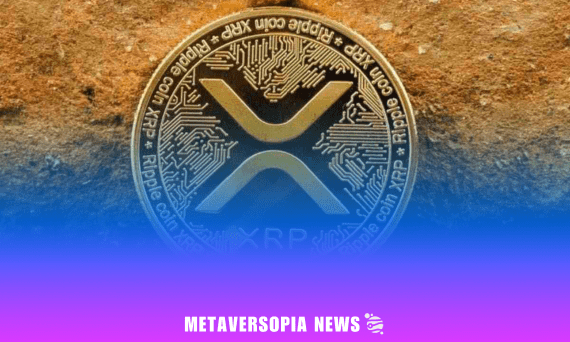
XRP, meanwhile, has been attracting renewed attention from traders and analysts. The asset recently pushed beyond key technical resistance zones. Consequently, speculation has grown that XRP may be preparing for a larger breakout.
Importantly, these gains are occurring during a period of global economic uncertainty. Some analysts now believe that cryptocurrencies are increasingly viewed as alternative stores of value. In other words, investors are starting to treat crypto assets as potential hedges during turbulent financial conditions.
This shift in perception could play a major role in shaping the next stage of crypto adoption.
Web3 Weekly: Why Global Uncertainty Is Driving Crypto Demand
Macroeconomic conditions often influence investor behaviour. In recent months, geopolitical tensions and market volatility have increased. Because of this, investors are exploring alternative assets outside traditional markets.
Cryptocurrencies, particularly Bitcoin, are often compared to digital gold. The reasoning is simple. Bitcoin has a fixed supply and operates independently from government-controlled monetary systems.
Therefore, when uncertainty rises in global markets, investors sometimes move capital into decentralised assets.
Ethereum and XRP also benefit from this trend. Both networks support a wide range of financial applications and blockchain infrastructure. Consequently, growing interest in decentralised finance and digital payments can increase demand for their tokens.
However, it is important to note that crypto markets remain volatile. Price swings can occur quickly. Nevertheless, the current momentum suggests renewed optimism within the industry.
XRP Shows Signs of a Potential Breakout
Among major cryptocurrencies, XRP has attracted particular attention this week.
After experiencing periods of sideways trading earlier in the year, XRP recently moved above key technical resistance levels. This development is significant. When an asset breaks resistance, it often signals a shift in market sentiment.
As a result, many analysts now believe XRP could be entering a new growth phase.
There are several reasons behind this renewed interest.
First, the XRP Ledger (XRPL) continues to expand its capabilities. Developers are exploring new use cases including tokenisation, decentralised exchanges and payment infrastructure.
Second, XRP remains strongly linked to the concept of cross-border payments. The technology aims to enable faster and cheaper international transactions compared to traditional banking systems.
Third, growing institutional awareness of blockchain technology may benefit networks like XRPL.
Despite this optimism, some experts highlight an interesting challenge. In some cases, network activity on XRPL grows faster than the value captured by the XRP token itself. This situation creates what analysts describe as a value capture paradox.
In simple terms, a network may become widely used while the token price grows more slowly. Even so, long-term adoption could still strengthen the ecosystem.
Web3 Weekly: Bitcoin and Ethereum Continue to Lead the Market
While XRP generates headlines, Bitcoin and Ethereum remain the central pillars of the Web3 ecosystem.
Bitcoin continues to lead in terms of market capitalisation and global recognition. Many institutional investors still view BTC as the safest entry point into crypto markets.
Furthermore, Bitcoin’s role as a decentralised monetary network continues to attract attention. The asset’s fixed supply of 21 million coins gives it unique scarcity characteristics.
At the same time, developers are expanding Bitcoin’s functionality through Layer-2 solutions and sidechains. These technologies aim to improve transaction speed while lowering costs.
Ethereum, on the other hand, powers a vast range of decentralised applications.
The network supports DeFi platforms, NFT marketplaces, gaming ecosystems and digital identity projects. Because of this versatility, Ethereum remains one of the most important infrastructures within Web3.
Recent increases in Ethereum trading volume suggest growing activity across its ecosystem. As new decentralised applications launch, network usage could continue to rise.
NFT Market Shows Signs of Resilience
The NFT sector has experienced dramatic changes since the boom years of 2021 and 2022. Prices for many digital collectibles declined during the broader crypto market downturn.
However, the NFT market is far from dead.
In fact, recent trends indicate a gradual recovery in certain segments of the industry.
One key factor driving this recovery is high-value collectors. Wealthy crypto investors continue to purchase premium digital assets. These collectors often view NFTs as long-term cultural artefacts rather than short-term speculative trades.
Additionally, brands and entertainment companies are still experimenting with NFT technology.
Gaming projects are particularly important here. Many Web3 games integrate NFTs as in-game assets, characters or digital land.
Moreover, NFTs are evolving beyond simple artwork. New applications include:
-
Tokenised event tickets
-
Digital membership passes
-
Real-world asset ownership records
-
Gaming collectibles
These developments suggest the NFT market is entering a more mature phase.
Instead of pure speculation, NFTs are increasingly connected to real utility and digital identity.
Blockchain Innovation Continues Across Web3
Beyond cryptocurrency prices and NFTs, the broader blockchain industry continues to innovate.
Several key areas are seeing rapid development.
DeFi Growth
Decentralised finance platforms remain one of the most important pillars of Web3.
DeFi protocols allow users to lend, borrow, trade and earn interest without traditional banks. Because transactions occur on blockchain networks, users maintain direct control over their assets.
Total value locked (TVL) across DeFi platforms has gradually increased again. This suggests renewed confidence among users.
Real-World Asset Tokenisation
Another major trend is the tokenisation of real-world assets.
Physical assets such as property, commodities and government bonds can now be represented on blockchain networks. Tokenisation enables fractional ownership and faster settlement times.
Financial institutions are beginning to explore these possibilities. As a result, tokenised assets may become a major component of the future financial system.
AI and Blockchain Integration
Artificial intelligence is also intersecting with Web3 technologies.
Some projects are developing decentralised AI networks. Others are creating AI-driven trading systems that analyse blockchain data.
This combination of AI and decentralised infrastructure could unlock powerful new applications.
Web3 Gaming
Gaming remains one of the strongest adoption drivers for blockchain technology.
Developers are experimenting with play-to-earn models, digital ownership and interoperable game assets.
As the technology improves, Web3 gaming could introduce millions of new users to blockchain ecosystems.
Major Industry Events and Conferences
Another important driver of Web3 development is industry collaboration.
Several major blockchain conferences are taking place this month. These events bring together developers, investors and policymakers.
Conferences often serve as launch platforms for new projects. Partnerships are frequently announced during these gatherings.
In addition, discussions around regulation and security help shape the long-term future of the industry.
Because Web3 is still developing, collaboration remains essential.
The Future of Web3: Infrastructure Over Speculation
Looking ahead, the Web3 ecosystem appears to be entering a new phase.
Earlier crypto cycles were largely driven by speculation. However, the current cycle may be different.
Today, developers are focusing on infrastructure, utility and scalability.
Layer-2 scaling networks are improving blockchain performance. Tokenisation is bridging the gap between traditional finance and crypto. Meanwhile, decentralised applications continue to expand.
These changes suggest that Web3 is gradually evolving into a more mature technology stack.
Rather than replacing existing systems overnight, blockchain is increasingly integrating with them.
Web3 Weekly: Final Thoughts
This week’s Web3 Weekly: Top Developments & Market Trends highlights a crypto industry that continues to move forward despite market volatility.
Bitcoin, Ethereum and XRP have shown renewed price strength. Meanwhile, NFTs are slowly recovering as collectors and gaming platforms drive new demand.
At the same time, innovation across decentralised finance, tokenisation and AI integration demonstrates the expanding potential of blockchain technology.
Web3 is still in its early stages. Yet its influence is growing across finance, entertainment and digital ownership.
If current trends continue, the coming years could see blockchain technology become a core component of the global digital economy.