
BlackRock’s Bitcoin and Ethereum Transfer: What We Know
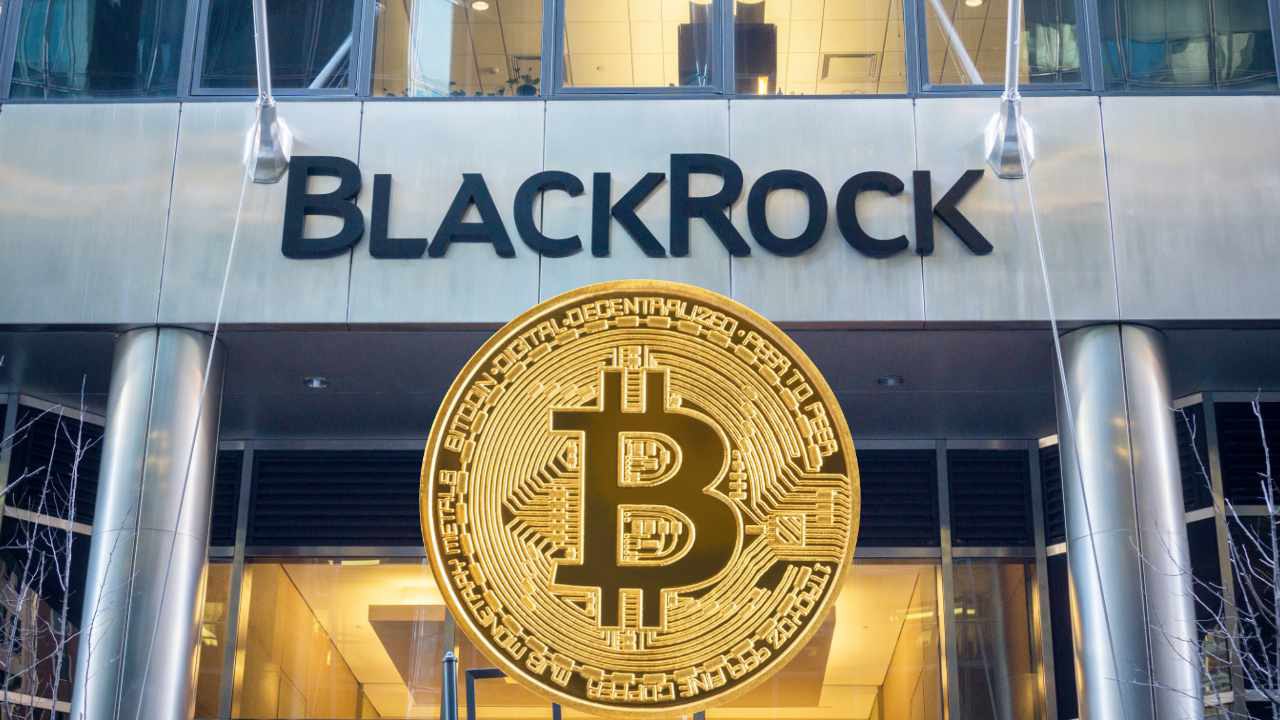
In recent weeks, the crypto market has been abuzz with news of BlackRock’s Bitcoin and Ethereum transfer to Coinbase, one of the world’s leading crypto exchanges. This move has sparked speculation about whether institutional investors are offloading their crypto holdings. With institutions playing a crucial role in market stability, such moves often send ripples through the industry. But is this a sign of a mass sell-off, or is there a deeper strategy at play?
Let’s delve into the details, exploring the implications of these transactions and what they might mean for the wider cryptocurrency market.
Are Institutions Offloading Their Crypto Holdings?
The transfer to Coinbase has fuelled speculation that institutions could be dumping Bitcoin and Ethereum. Several factors might contribute to such a decision:
1. Profit-Taking in a Bullish Market
With Bitcoin’s price rising significantly in recent months, institutions might be capitalising on profits. Large-scale investors often follow strict risk management protocols, rebalancing their portfolios to lock in gains.
2. Regulatory Considerations
The regulatory environment for cryptocurrency is evolving rapidly. With looming legislation and tighter scrutiny, institutional investors may be repositioning their holdings to stay compliant.
3. Market Sentiment and Volatility
While Bitcoin and Ethereum remain dominant, their volatility continues to concern investors. The crypto market is influenced by global events, inflation data, and macroeconomic trends. Institutions could be reducing exposure in response to market uncertainties.
BlackRock’s Bitcoin Strategy: Selling or Strategising?
Not all crypto transfers to exchanges indicate immediate selling. Some possible explanations include:
- Liquidity Management: Institutions may move funds to exchanges to maintain liquidity rather than to sell outright.
- Strategic Trading: Rather than a sell-off, this could be an attempt to leverage trading opportunities, such as derivatives or staking.
- ETF Adjustments: With the rise of Bitcoin ETFs, institutions may be adjusting their allocations rather than liquidating holdings.
Despite concerns, BlackRock remains a key player in the crypto space, suggesting that any crypto sell-offs could be part of a broader financial strategy.
How Could This Impact Bitcoin and Ethereum Prices?
Institutional activity often affects market prices, and a significant sell-off by BlackRock or other institutional players could lead to:
Short-Term Price Volatility
Large transactions can trigger sudden price swings. Traders often react quickly to institutional movements, creating short-term volatility in Bitcoin and Ethereum prices.
Market Uncertainty
When major firms like BlackRock move assets, speculation can spread. Retail investors may panic, leading to increased market fluctuations.
Potential Buying Opportunities
If BlackRock is selling, it could create buying opportunities for investors looking to enter the market at lower price points.
What This Means for Institutional Crypto Adoption
Despite recent transactions, institutions continue to show long-term interest in crypto assets. BlackRock’s involvement in Bitcoin ETFs, along with similar moves by other asset managers, suggests that institutional adoption is far from over.
Key Takeaways:
- Institutions like BlackRock influence crypto markets significantly.
- Large transfers to exchanges raise questions but don’t always signal mass sell-offs.
- Bitcoin and Ethereum remain strong despite market fluctuations.
Final Thoughts: Should Investors Be Concerned?
While BlackRock’s recent transfers to Coinbase have raised concerns, it’s essential to look at the bigger picture. Crypto markets are inherently volatile, and institutional trading strategies can sometimes be misinterpreted.
For long-term investors, understanding the motives behind institutional movements is key. Whether BlackRock is selling or strategising, the continued involvement of major financial players suggests that Bitcoin and Ethereumremain valuable assets in the global economy.