Crypto Market Crash: Bitcoin, XRP, Solana & Dogecoin Drop
The cryptocurrency market has been hit hard by global uncertainty, with major coins such as Bitcoin, XRP, Solana, and Dogecoin suffering significant price declines. Investors are grappling with fear as economic instability and trade tensions, including the ongoing US-China tariffs, continue to drive uncertainty. In this blog, we explore the key reasons behind the crypto market crash and what it means for investors.
The Crypto Market Crash: What’s Happening?
The digital asset space has experienced massive volatility, with Bitcoin, XRP, Solana, and Dogecoin all seeing sharp declines. This downturn has left many investors questioning the future of cryptocurrencies and the factors contributing to the market turmoil.
Bitcoin’s Decline: A Sign of Market Weakness?
Bitcoin, the world’s largest cryptocurrency, has witnessed a steep decline, reflecting broader market concerns. With its price often seen as an indicator of market health, Bitcoin’s downturn suggests that investors are moving away from riskier assets due to economic instability.
Despite being hailed as digital gold, Bitcoin has struggled to maintain its value amid worsening global conditions. Many analysts argue that institutional investors are pulling out due to fears of recession, higher inflation, and uncertain regulatory frameworks.
XRP, Solana, and Dogecoin Take a Hit
Bitcoin is not the only cryptocurrency affected. Altcoins like XRP, Solana, and Dogecoin have also seen their values plummet.
- XRP: Ripple’s token has faced price pressure, with regulatory concerns continuing to impact investor confidence. The ongoing legal battle with the SEC has also added to market jitters.
- Solana: Known for its high-speed transactions, Solana has suffered due to network issues and the broader market selloff. Investors worry about its long-term stability.
- Dogecoin: The meme coin, often driven by social media hype, has struggled to maintain its momentum. Without strong fundamentals, Dogecoin is vulnerable to sharp declines when market sentiment turns negative.
The Impact of Global Trade Tensions on Crypto
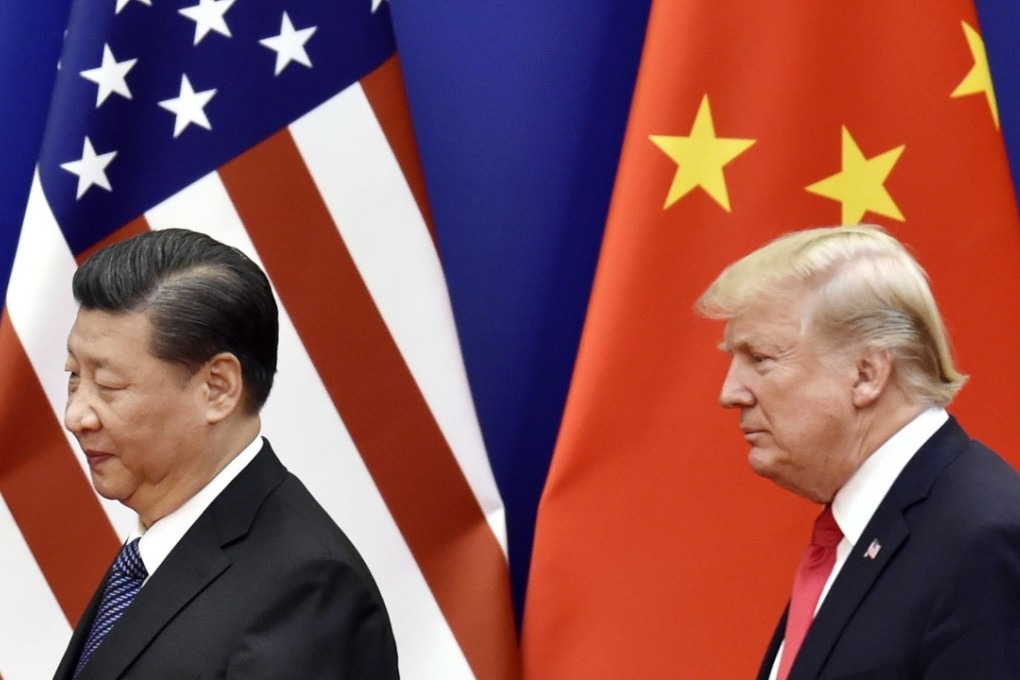
One of the primary factors behind the crypto market crash is escalating global trade tensions, particularly between the United States and China.
US-China Tariffs and Their Effect on Crypto Markets
The trade war between the US and China has led to increased tariffs, creating uncertainty across global markets. This economic instability has led to a flight from high-risk assets, including cryptocurrencies. As investors seek safer investments, digital assets like Bitcoin, XRP, Solana, and Dogecoin are experiencing heavy sell-offs.
Market Fear and Economic Instability
Beyond trade tensions, overall economic instability is playing a crucial role in the market decline. Rising inflation, potential interest rate hikes, and recession fears have made investors wary of speculative assets. The crypto market, known for its high volatility, has been one of the hardest hit.
Investor Sentiment: Fear and Uncertainty Dominate
Investor sentiment is a key driver of crypto price movements, and right now, fear is in control. The Crypto Fear and Greed Index—a popular metric for measuring investor confidence—has dipped into the “Extreme Fear” territory, reflecting the current market mood.
Many investors are choosing to exit their positions, leading to even greater price drops. The cycle of fear-driven selling is exacerbating market declines, making it difficult for cryptocurrencies to find stability.
The Future of Cryptocurrencies: What’s Next?
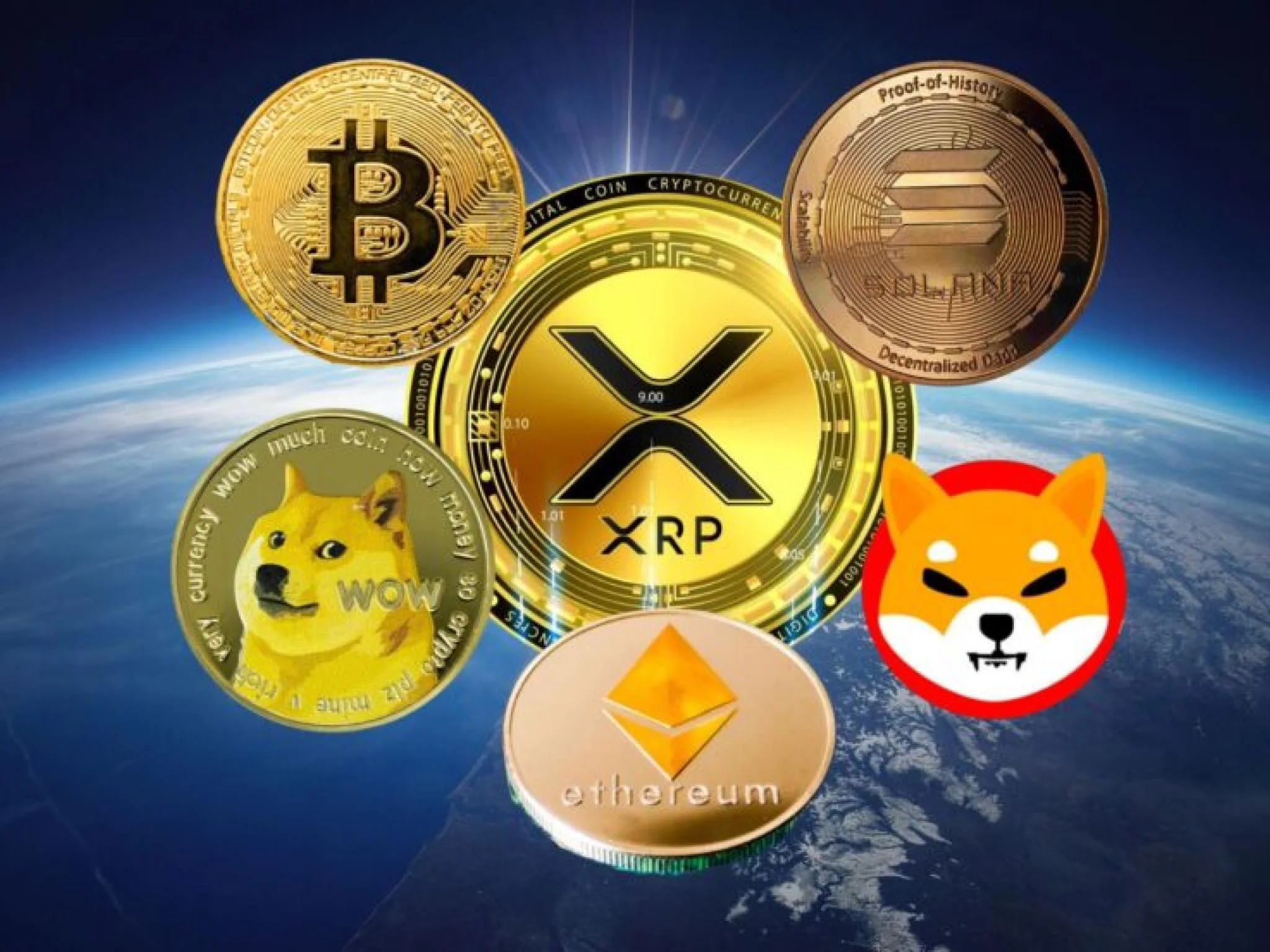
Image Credit: Inkl
Despite the current downturn, many experts believe that the crypto market still holds long-term potential. The key question remains: How will digital assets recover from this crash?
Regulation: A Double-Edged Sword
Regulatory frameworks are evolving, with governments worldwide debating how to handle cryptocurrencies. While some investors fear tighter regulations, others see it as a necessary step toward mainstream adoption. Clarity in legal frameworks could ultimately bring more institutional investors into the space, stabilising prices.
Institutional Interest: A Crucial Factor
Although some institutional investors are pulling back, others see the downturn as an opportunity. Large financial firms continue to explore blockchain technology and crypto investments, suggesting that digital assets are here to stay. If institutional interest rebounds, cryptocurrencies could recover in the long run.
Adoption and Real-World Use Cases
For cryptocurrencies to thrive, real-world adoption is essential. Bitcoin is already being used for cross-border transactions, while Solana is gaining traction in decentralised applications. Dogecoin, despite its meme status, has found utility in microtransactions. The more these digital assets integrate into everyday use, the stronger their long-term prospects.
Final Thoughts: Navigating the Crypto Market Crash
The crypto market crash, driven by global uncertainty, has created a challenging environment for investors. With Bitcoin, XRP, Solana, and Dogecoin experiencing major price declines, the road ahead remains uncertain. However, as history has shown, cryptocurrencies are no strangers to volatility. Those who take a long-term view and focus on real-world adoption may still find opportunities in the space.
As economic conditions evolve, keeping a close eye on global trade developments, regulatory changes, and institutional trends will be crucial for navigating the crypto market.