Web3 Technologies: Developments from the Last 48 Hours
The world of Web3 technologies continues to evolve at a rapid pace, reshaping industries and creating new opportunities. Developments in Web3 technologies have dominated headlines over the past 48 hours, showcasing their transformative potential. Over the past 48 hours, significant developments in blockchain, cryptocurrency, and decentralised platforms have made headlines. Here, we explore these updates, their implications, and the future they herald for the digital economy.
The Metropolitan Museum of Art Embraces Web3 with “Art Links”

Image Credit: The Metropolitan Museum of Art
In an exciting move, the Metropolitan Museum of Art has announced its inaugural Web3 initiative, “Art Links.” This interactive experience enables players to explore the museum’s extensive art collection and earn NFT badges as rewards. By venturing into the blockchain space, the Met is not just embracing technological innovation but also engaging a tech-savvy audience.
This initiative positions the museum as a trailblazer in integrating art with digital assets. It is a prime example of how traditional institutions can adopt Web3 technologies to stay relevant in an increasingly digital world. Furthermore, “Art Links” could pave the way for other museums and cultural organisations to explore blockchain-based solutions for enhancing visitor engagement.
A Crypto-Friendly Future: Developments in Web3 Technologies and Implications of Donald Trump’s Presidency
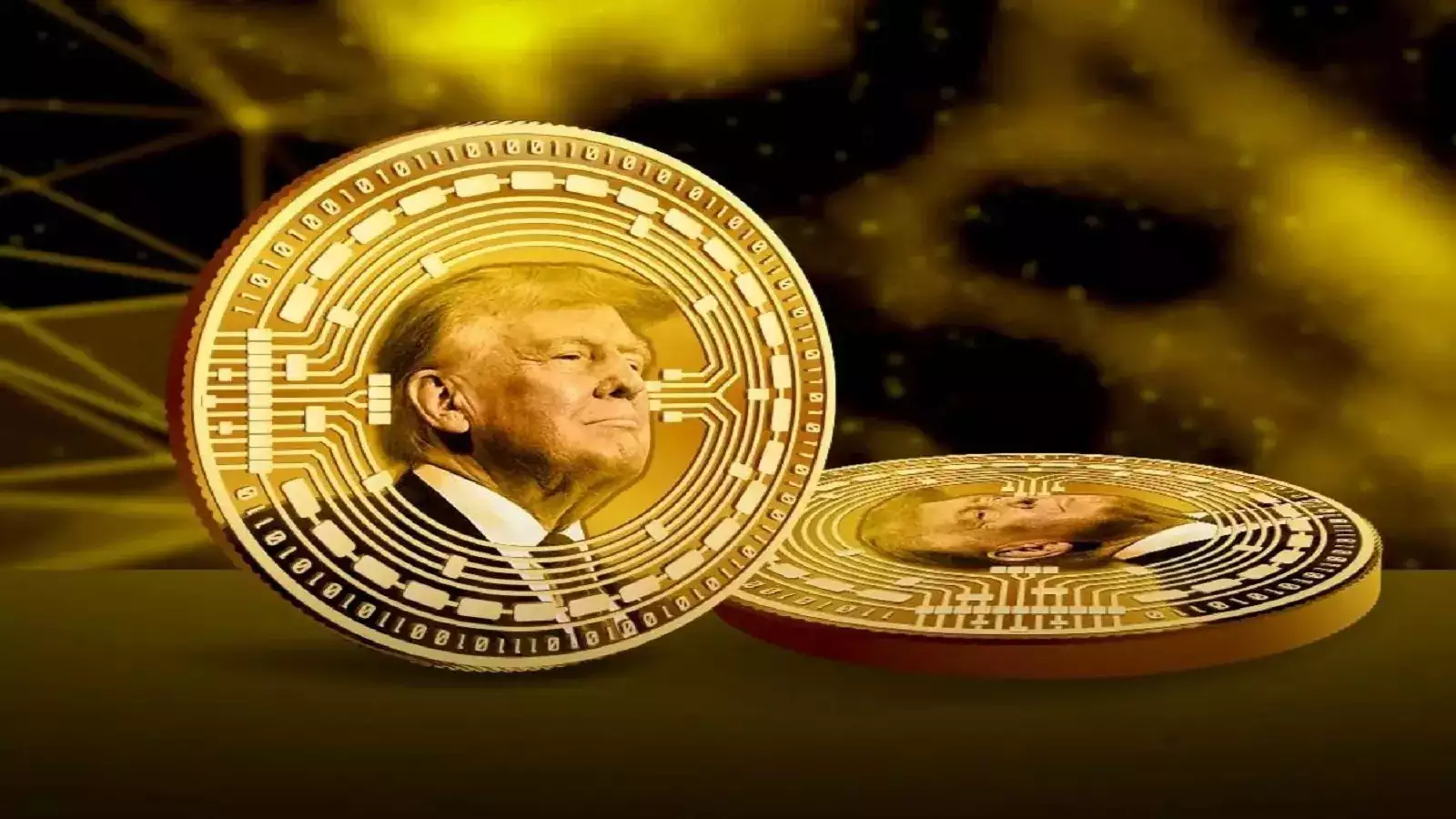
Image Credit: The Economic Times
With the inauguration of President Donald Trump, optimism surrounding cryptocurrency regulation has soared. Analysts predict a more supportive environment for digital assets, which could have far-reaching effects on the blockchain industry. The administration’s stance is expected to encourage innovation while addressing concerns about regulatory clarity.
One significant development anticipated is the approval of additional cryptocurrency ETFs. Among the potential candidates are ETFs for XRP and Solana, both of which have been gaining traction due to their unique value propositions. This regulatory shift could attract institutional investors, further legitimising digital assets and driving their adoption on a global scale.
GameGPT Introduces the Genesis AI NFT Collection
Image Credit: Finsmes
GameGPT has unveiled its latest venture, the Genesis AI NFT Collection, combining artificial intelligence and blockchain technology. This innovative collection aims to revolutionise the gaming industry by introducing dynamic, AI-powered NFTs that adapt and evolve based on user interactions.
The integration of AI into NFTs signifies a growing trend that blurs the lines between gaming, digital art, and blockchain technology. By offering interactive and personalised gaming experiences, GameGPT is setting a new benchmark for Web3 applications. This development highlights the immense potential of merging AI and blockchain to create unique, user-centric digital ecosystems.
Cryptocurrency Market Updates
Bitcoin (BTC): Navigating Volatility
Bitcoin remains at the forefront of the cryptocurrency market, trading at $102,378. Despite a recent 3% decline, the long-term outlook appears bullish. BlackRock CEO Larry Fink has predicted that institutional investments could propel Bitcoin’s price to an astonishing $700,000.
Such a dramatic increase would mark a new era for Bitcoin, solidifying its position as digital gold and a hedge against economic uncertainty. However, the road to $700,000 is fraught with challenges, including market volatility and regulatory hurdles.
Ethereum (ETH): Battling Scalability Issues
Ethereum, the second-largest cryptocurrency by market capitalisation, is facing significant challenges. Scalability and high transaction fees have led to a decline in its market share, with competitors like Solana stepping in to fill the gap. Solana’s faster and more cost-effective solutions are attracting developers and users alike.
Ethereum’s transition to Ethereum 2.0, aimed at addressing these issues, remains a critical milestone. The success of this upgrade will determine Ethereum’s ability to maintain its dominance in the decentralised application (dApp) space.
The Broader Impact of Web3 Technologies
These recent developments underscore the transformative power of Web3 technologies. From cultural institutions like the Metropolitan Museum of Art embracing NFTs to advancements in AI-driven digital assets, the blockchain ecosystem is expanding its reach.
Moreover, the prospect of a crypto-friendly regulatory environment could unlock new opportunities for innovation and investment. As institutions and governments recognise the potential of Web3, the transition to a decentralised digital economy appears inevitable.
Key Takeaways
- Cultural Integration: The Met’s “Art Links” initiative highlights the growing intersection of traditional institutions and Web3 technologies.
- Regulatory Optimism: Donald Trump’s presidency signals potential advancements in cryptocurrency regulation, boosting market confidence.
- AI and NFTs: GameGPT’s Genesis AI NFT Collection showcases the potential of integrating artificial intelligence into blockchain technology.
- Market Trends: Bitcoin’s volatility and Ethereum’s scalability challenges underscore the dynamic nature of the cryptocurrency market.
As these developments unfold, staying informed is crucial for navigating the ever-evolving Web3 landscape. Whether you’re an investor, developer, or enthusiast, the next 48 hours in Web3 could bring even more groundbreaking innovations.