Web3 Weekly: Top Developments & Market Trends
The cryptocurrency market has experienced another turbulent week as Bitcoin, Ethereum and XRP navigate changing investor sentiment, institutional activity and ongoing technological developments. While digital asset prices continue to fluctuate, the wider Web3 industry is making progress across blockchain infrastructure, decentralised finance and NFT adoption.
Bitcoin has attempted to recover following a period of selling pressure, while Ethereum has struggled with continued withdrawals from exchange-traded funds (ETFs). Meanwhile, XRP has attracted institutional interest despite renewed attention surrounding blockchain security. Elsewhere, the NFT market has shown signs of activity, with Pudgy Penguins among the collections attracting attention.
In this edition of Web3 Weekly: Top Developments & Market Trends, we explore the biggest cryptocurrency stories, blockchain developments and emerging market trends shaping the digital asset industry.
Bitcoin Recovers as Institutional Investors Reassess the Market
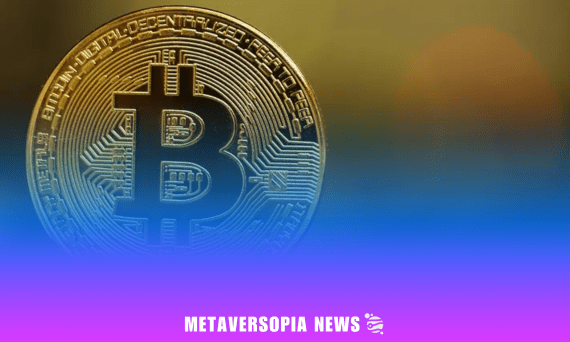
Bitcoin has experienced another challenging period, with its price briefly approaching $80,000 before recovering towards $84,000. The movement highlights the uncertainty currently influencing the world’s largest cryptocurrency.
One of the biggest developments has been the continued withdrawal of capital from US spot Bitcoin ETFs. These investment products recorded more than $600 million in net outflows over the previous week, suggesting that some institutional investors are reducing their exposure to digital assets.
However, Bitcoin’s recovery indicates that buying interest remains present despite the cautious market environment.
The $80,000 price level has become particularly important for traders monitoring Bitcoin’s next movement. Maintaining this support could help strengthen confidence, while further declines may encourage additional selling.
Furthermore, broader economic conditions continue to influence cryptocurrency prices. Inflation expectations, interest rate decisions and movements across traditional financial markets all contribute to investor behaviour.
As a result, Bitcoin’s performance over the coming weeks could provide valuable insight into the wider cryptocurrency market’s direction.
Web3 Weekly: Ethereum Faces ETF Withdrawals and Growing Layer 2 Challenges
Ethereum has also faced significant pressure, with US spot Ethereum ETFs experiencing nine consecutive trading days of withdrawals. This sustained movement of capital away from Ethereum investment products reflects growing caution among institutional investors.
Although Ethereum remains one of the most influential blockchain networks, its short-term market performance has struggled to generate consistent momentum.
Nevertheless, development across the Ethereum ecosystem continues.
The planned Glamsterdam upgrade remains an important part of Ethereum’s longer-term strategy to improve network efficiency and scalability. These improvements aim to support increasing blockchain activity while creating a more effective environment for developers and decentralised applications.
Meanwhile, Ethereum’s Layer 2 ecosystem is undergoing significant changes.
Abstract, the blockchain associated with the Pudgy Penguins brand, has announced plans to shut down in December 2026. The decision reflects the difficulties some scaling networks face when attempting to build financially sustainable operations.
Similarly, Blast has announced plans to wind down, highlighting the competitive pressures affecting Ethereum’s expanding network of scaling solutions.
These developments suggest that technological innovation alone may no longer guarantee success. Instead, blockchain projects must demonstrate genuine demand, sustainable revenue and long-term value.
For Ethereum, the challenge will be maintaining its position as a leading smart contract platform while supporting a more efficient and sustainable ecosystem.
XRP Attracts Institutional Investment Despite Security Concerns
XRP has delivered a contrasting performance compared with Bitcoin and Ethereum investment products.
While the two largest cryptocurrencies experienced substantial ETF withdrawals, XRP-linked investment funds reportedly maintained their positive momentum for a thirteenth consecutive week.
This continued investment activity suggests that institutional interest in XRP remains relatively resilient despite uncertainty across the wider cryptocurrency market.
However, another development has brought the XRP Ledger’s security into focus.
Developers recently addressed a longstanding vulnerability that reportedly could have enabled the unauthorised creation of XRP under certain circumstances.
The discovery highlights the importance of continuous security monitoring, even for established blockchain networks that have operated for many years.
Although the vulnerability has been patched, the situation demonstrates how blockchain infrastructure must evolve alongside emerging security threats.
Furthermore, the incident reinforces the need for transparent development practices and regular technical assessments.
For XRP, maintaining investor confidence will depend on both continued ecosystem development and the network’s ability to demonstrate reliability.
As institutional adoption expands, security and operational stability will remain essential considerations for the cryptocurrency industry.
Web3 Weekly: NFT Market Activity Increases as Pudgy Penguins Gain Momentum
The NFT market has shown modest signs of recovery, with weekly trading activity approaching $40 million.
Although this represents only a relatively small improvement across the wider market, individual collections have experienced stronger momentum.
Pudgy Penguins has been one of the notable performers, recording a substantial increase in NFT sales activity.
The collection has developed a recognisable brand that extends beyond digital collectibles into physical merchandise and entertainment.
This approach reflects an important shift within the NFT industry.
Rather than relying entirely on speculative trading, some projects are attempting to establish wider consumer brands and create additional revenue opportunities.
However, Pudgy Penguins’ connection to the Abstract blockchain also demonstrates the challenges facing the sector.
Despite attracting considerable transaction activity, Abstract struggled to establish a sustainable financial model and subsequently announced plans to cease operations.
The situation highlights a growing distinction between successful digital brands and the blockchain infrastructure supporting them.
Consequently, NFT projects may increasingly prioritise practical applications, consumer engagement and sustainable commercial opportunities.
As the market continues to evolve, collections offering meaningful experiences and recognisable value could become more important than those relying solely on short-term trading interest.
Blockchain Security Becomes an Increasingly Important Web3 Priority
Recent developments have once again placed blockchain security at the centre of industry discussions.
The discovery of the XRP Ledger vulnerability demonstrates that even established networks can face unexpected technical risks.
Additionally, reports concerning compromised cryptocurrency hardware wallets have raised further questions about digital asset protection.
These incidents highlight the different security challenges facing blockchain developers, exchanges, wallet providers and individual investors.
Unlike traditional financial systems, cryptocurrency transactions are often difficult or impossible to reverse once completed. Consequently, preventing unauthorised access remains particularly important.
As blockchain adoption increases, security standards will need to develop alongside the technology.
Regular audits, improved wallet protection and transparent vulnerability reporting could help strengthen confidence across the industry.
Furthermore, educating cryptocurrency users about private key management and fraudulent activity remains essential.
Ultimately, the long-term success of Web3 will depend not only on technological innovation but also on creating systems that users can trust.
Web3 Weekly: Sui Expands Bitcoin-Focused Decentralised Finance Infrastructure
Beyond cryptocurrency price movements, blockchain developers continue exploring new financial applications.
Sui has attracted attention through its Hashi initiative, which aims to expand Bitcoin-related financial services within its blockchain ecosystem.
The project has reportedly secured more than $500 million in capital commitments, reflecting growing institutional interest in blockchain-based financial infrastructure.
Its development is designed to support the use of Bitcoin within a wider range of decentralised financial activities.
Traditionally, Bitcoin has primarily been viewed as a store of value and a digital asset for investment.
However, emerging blockchain projects are exploring ways to make Bitcoin more accessible within lending, liquidity management and other financial applications.
The involvement of institutional custody providers also demonstrates the increasing connection between traditional financial services and decentralised technologies.
Nevertheless, the success of these initiatives will depend on security, regulatory developments and sustained user demand.
As decentralised finance continues to mature, projects that successfully connect established cryptocurrencies with practical financial services could attract greater attention.
Ronin Strengthens Community Participation in Blockchain Gaming
Blockchain gaming continues to evolve as developers explore new ways to involve users in ecosystem decisions.
Ronin, a blockchain network focused on gaming applications, has introduced developments designed to expand decentralised governance.
The changes aim to give eligible RON token holders greater involvement in decisions relating to certain economic and treasury matters.
This approach reflects the wider Web3 principle of distributing decision-making responsibilities across a network’s community.
Rather than relying exclusively on centralised management, blockchain projects can use governance mechanisms to allow participants to influence selected aspects of development.
However, effective decentralised governance requires clear rules, transparency and meaningful community participation.
For blockchain gaming platforms, these structures could help strengthen engagement and encourage users to take a longer-term interest in the ecosystems they support.
As the Web3 gaming industry develops, combining enjoyable experiences with sustainable token economies and effective governance will remain an important challenge.
Web3 Market Trends: What Could Shape the Coming Weeks?
The latest cryptocurrency and blockchain developments highlight an industry experiencing both market uncertainty and continued innovation.
Bitcoin and Ethereum remain sensitive to institutional investment flows, while XRP has demonstrated comparatively stronger interest through its associated investment products.
Meanwhile, NFT projects are increasingly exploring business models that extend beyond digital collectibles.
Blockchain security has also become a prominent concern, reinforcing the importance of reliable infrastructure as adoption grows.
Looking ahead, investors and developers will be monitoring several important trends.
Changes in cryptocurrency ETF activity could influence market confidence, particularly if institutional investors begin increasing their exposure again.
Additionally, upcoming blockchain upgrades may improve scalability and encourage greater adoption of decentralised applications.
The development of Bitcoin-focused financial infrastructure and decentralised gaming ecosystems could also create new opportunities across the wider Web3 sector.
However, regulatory uncertainty, security vulnerabilities and economic conditions remain potential obstacles.
For the industry to achieve sustainable growth, blockchain projects will need to demonstrate practical value rather than relying entirely on market speculation.
Web3 Weekly Final Thoughts
This week’s Web3 Weekly: Top Developments & Market Trends demonstrates that the digital asset industry remains active despite challenging market conditions.
Bitcoin’s recovery efforts, Ethereum’s institutional outflows and XRP’s contrasting investment activity illustrate the different forces influencing cryptocurrency markets.
Meanwhile, NFT developments, blockchain security improvements and expanding decentralised finance infrastructure highlight the continued evolution of Web3 technology.
Although price volatility remains a significant consideration, the industry’s future will increasingly depend on sustainable business models, secure networks and real-world applications.
As blockchain technology develops, the relationship between digital assets, financial services, gaming and consumer brands could become increasingly important.
For now, the latest developments suggest that Web3 is entering another period of adjustment, where practical innovation and long-term sustainability may prove just as important as cryptocurrency market performance.